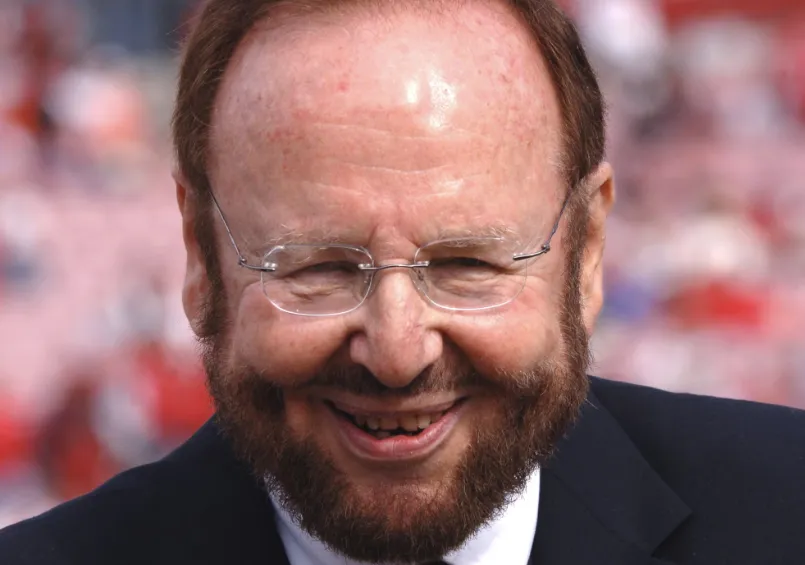
The world of football, and particularly the passionate fanbase of Manchester United, received somber news this week. Malcolm Glazer, the American businessman whose leveraged takeover of the iconic club in 2005 sparked a revolution in Premier League ownership and decades of fan protest, has died. His passing marks the end of an era defined by unprecedented commercial growth shadowed by immense debt, a complex legacy that continues to shape the club’s present. Here at Crickex, we delve into the story, the strategy, and the lasting impact of the Glazer ownership.
The Takeover That Changed English Football
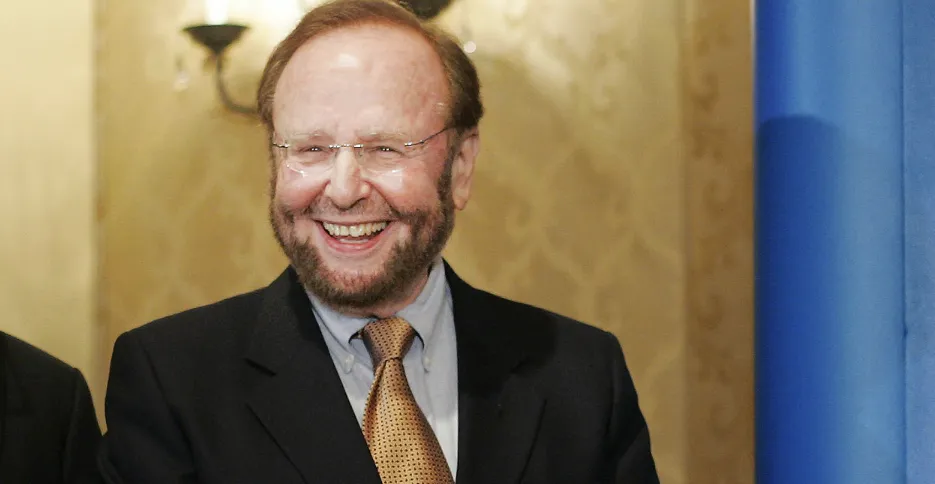
In May 2005, after a protracted and fiercely contested battle, Malcolm Glazer’s investment vehicle successfully acquired a controlling stake in Manchester United. The deal, valued at approximately £790 million, was seismic. However, what truly sent shockwaves through the sport was the structure: it was a leveraged buyout. This meant the vast majority of the purchase price was borrowed, and that debt—hundreds of millions of pounds—was placed onto the club’s own balance sheet.
For a club that had been virtually debt-free, this was a bitter pill to swallow. Fans, organized under groups like the Manchester United Supporters’ Trust (MUST) and the famous “Green and Gold” campaign, revolted. They saw the move not as an investment in the team, but as a financial extraction, where the club’s substantial revenues would service interest payments rather than fund new signings or improve Old Trafford. The Glazer family, largely silent and remote from the match-going support, became symbols of modern football’s commercialization.
A Dichotomy of Success and Strain
The Glazer era presents a fascinating dichotomy for analysts. On the pitch, the years following the takeover were among the most successful in the club’s storied history. Under the management of Sir Alex Ferguson, United won five Premier League titles, a UEFA Champions League, and multiple domestic cups between 2005 and 2013. The team played thrilling football and boasted global superstars.
This on-field success was fueled by explosive commercial growth off it. The Glazers, leveraging the club’s global brand, masterminded a dramatic expansion in sponsorship deals, retail operations, and commercial partnerships. According to sports business expert David Carter, “The Glazer ownership model became a blueprint for maximizing commercial revenue in football. They transformed United into a financial juggernaut, even if the foundational debt remained a constant concern.” Matchday revenues also surged, partly due to controversial ticket price increases that further alienated the traditional fanbase.
The Inherited Legacy and Ongoing Chapter
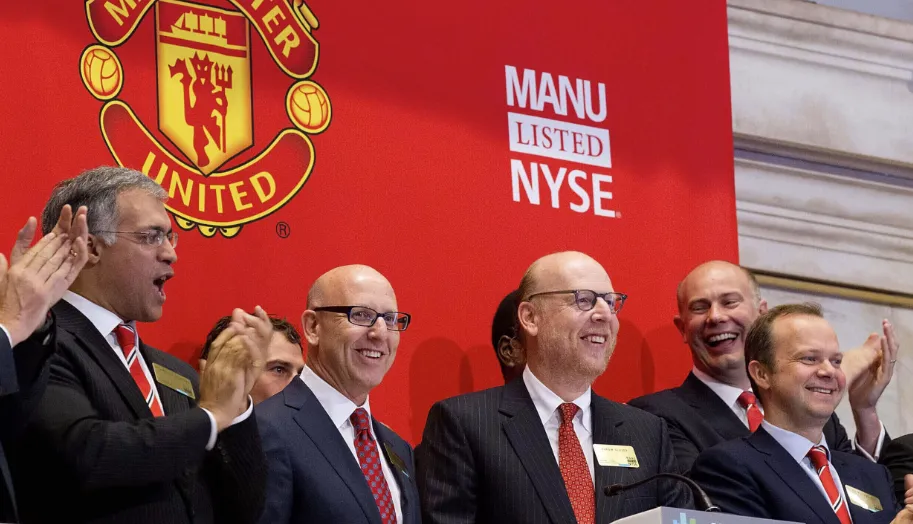
Malcolm Glazer’s passing shifts the focus to his children, who have run the club’s day-to-day operations for years. The core issues of the takeover—the debt and a perceived lack of sporting investment—have never fully dissipated. In recent seasons, as on-pitch performance has fluctuated, fan discontent has reached new heights, with large-scale protests even causing the postponement of a match.
The future of the club is now a dominant topic. While the Glazer family has explored strategic alternatives, including a potential full sale, the saga continues. The legacy is a mixed one: a club that grew into a commercial titan under their watch, but one that also became emblematic of the financial burdens and emotional disconnect that can accompany foreign investment in football’s most cherished institutions.
Crickex‘s Final Whistle: A Complex Footballing Legacy
Manchester United’s American Owner Malcolm Glazer Passes Away: A Legacy of Debt and Trophies. The story of Malcolm Glazer and Manchester United is perhaps the definitive tale of 21st-century football finance. It is a narrative of towering commercial achievement juxtaposed with deep-seated fan alienation, of glittering trophies won under the weight of significant financial leverage. His passing closes the book on the initial, controversial acquisition but opens further reflection on an ownership model that forever changed the Premier League landscape.
What do you think defines the Glazer legacy at Manchester United? Was the commercial success worth the financial and emotional cost? Share your thoughts in the comments below and explore more deep-dive football analysis right here on Crickex.
