
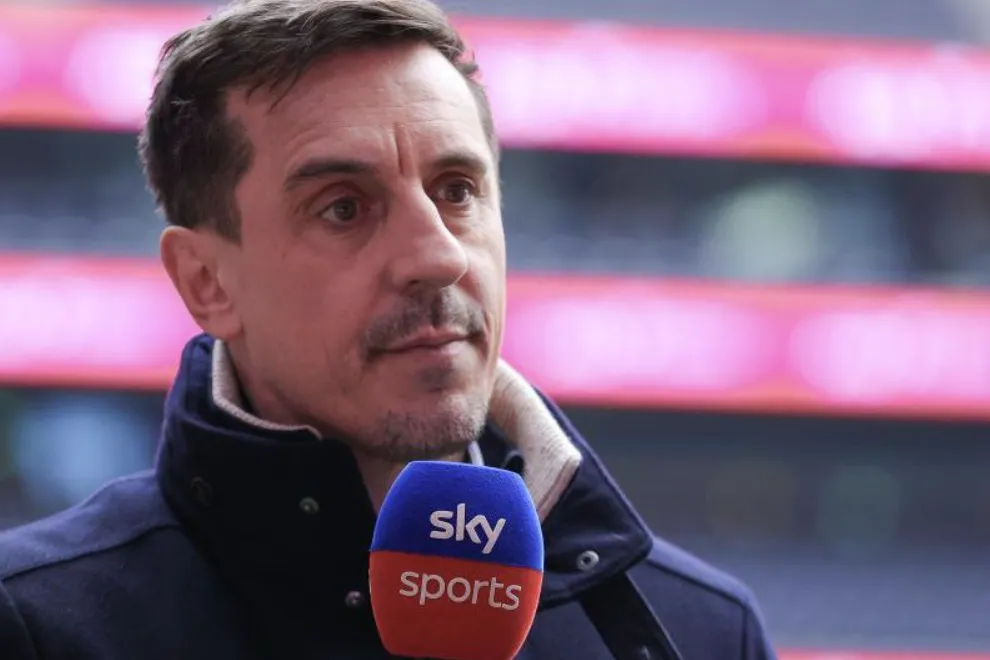
In a dramatic turn of events that has sent ripples through the English football community, a pre-season friendly between Salford City and Nottingham Forest was brought to a premature halt. The cause was not an injury or a weather delay, but a vocal and organized protest from a section of the home support, specifically aimed at the club’s high-profile co-owner, Gary Neville. This incident, which unfolded at the Peninsula Stadium, has sparked a wider conversation about fan ownership, club management, and the pressure cooker of modern football.
Our sports desk has been analyzing the footage and fan accounts from the match, and it’s clear this was a calculated statement. While pre-season friendlies are often low-key affairs focused on fitness and tactics, this particular fixture became a flashpoint for growing discontent. The protest wasn’t a spontaneous outburst but rather the culmination of months of frustration among a dedicated core of Salford City supporters. They feel that the “Class of 92” ownership group, which includes Neville, has lost touch with the club’s founding ethos and has prioritized commercial growth over the concerns of the local fanbase.
The Roots of Discontent: More Than Just a Friendly
To understand why a pre-season match was halted, we need to look at the broader context. Salford City’s story is one of a remarkable rise from the lower tiers of non-league football to the English Football League (EFL). However, this rapid ascent, fueled by the celebrity ownership of Gary Neville, Phil Neville, Paul Scholes, Ryan Giggs, David Beckham, and Nicky Butt, has come with its own set of challenges.
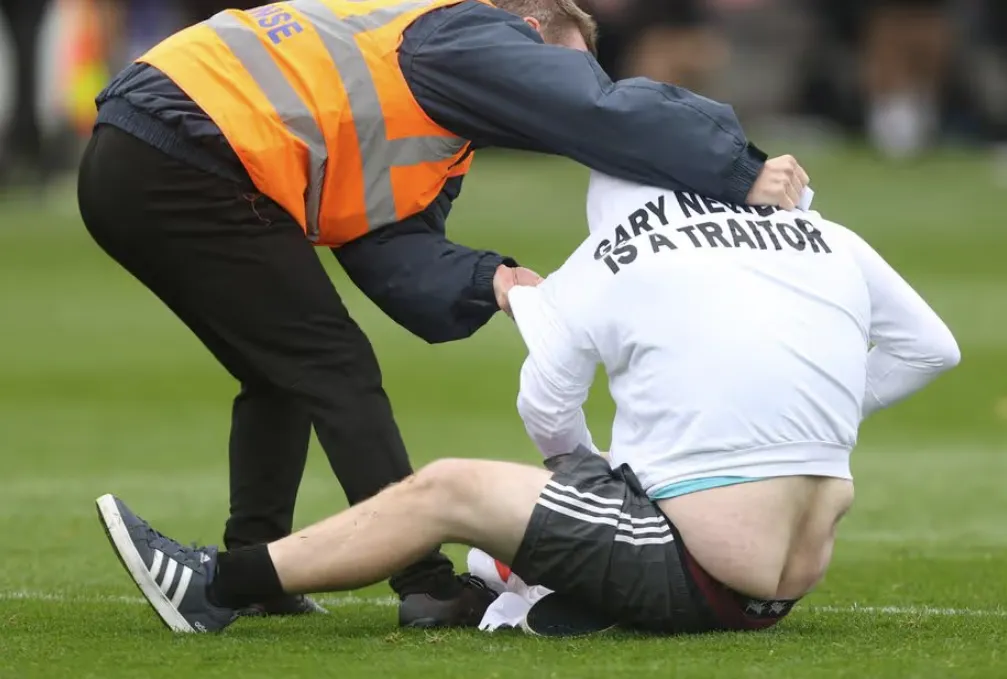
Fan groups, particularly the Salford City Supporters’ Trust, have voiced concerns over several key issues. These include rising ticket prices that price out long-time local fans, a perceived lack of communication about the club’s strategic direction, and the increasing commercialization of the matchday experience. In many ways, it mirrors tensions seen at larger clubs, but for a community club like Salford, the disconnect feels more personal. The protest, which saw fans unfurling banners and chanting against Neville, was their way of saying the club’s soul is at risk.
The Flashpoint: The Incident at the Peninsula Stadium
The match between Salford City and Nottingham Forest was proceeding normally until the protest intensified. According to eyewitness accounts and footage that quickly circulated on social media, a group of home supporters began chanting vocally against Gary Neville. The situation escalated when they displayed a banner with a pointed message that directly criticized the co-owner’s stewardship.
The referee, after consulting with security and match officials, made the decision to halt the game. Players from both sides stood on the pitch, looking visibly confused as the noise from the stands dominated the atmosphere. It took several minutes for order to be restored, with stadium announcers pleading for calm. The match eventually resumed, but the damage was done. The incident had shifted the narrative from a simple pre-season friendly to a public airing of grievances against the club’s hierarchy.
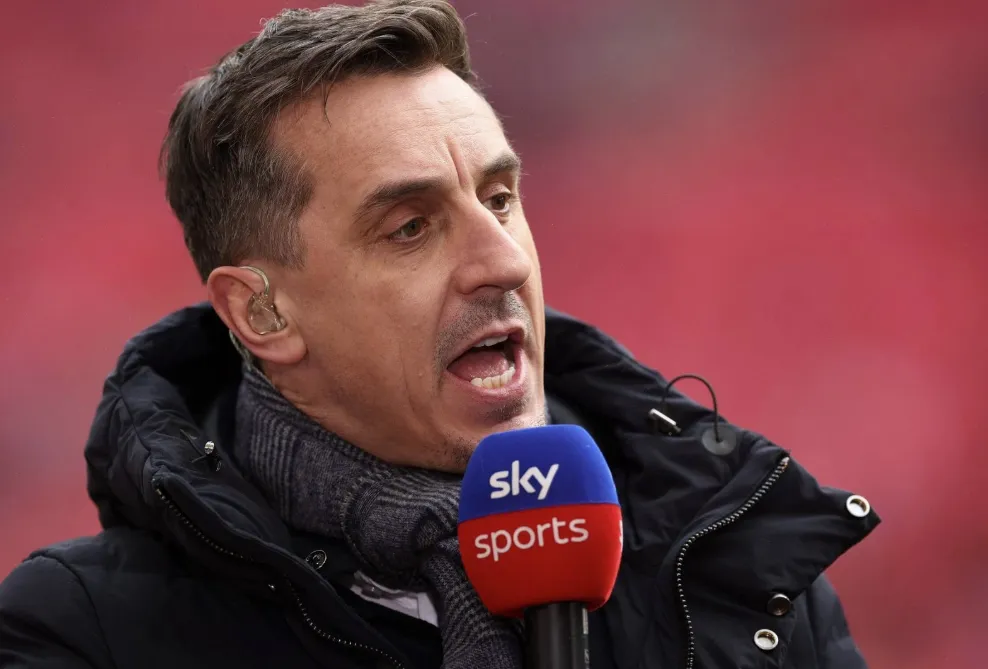
As a sports analyst, I’ve seen player strikes and fan walk-outs, but an orchestrated protest during a friendly against a Premier League side like Nottingham Forest is a bold statement. It shows that the fans feel their voice is not being heard through normal channels. The decision to halt the game underscores that these issues are now front and center for the club’s management. For the most up-to-date analysis on this and other football stories, Crickex offers continuous coverage of the dynamic relationship between clubs and their supporters.
Analyzing Gary Neville and the “Class of 92” Legacy
Gary Neville has always been a figure who invites opinion. As a player, he was a fiercely loyal servant of Manchester United. As a pundit, he’s known for his sharp, often controversial takes on the modern game. Now, as a co-owner, his management style is under the microscope. The protest raises a valid question: has the “Class of 92” model of ownership reached its limits in Salford?
The group’s vision was to build a sustainable, community-oriented club that could compete in the EFL. On one hand, they have achieved incredible things with the club’s promotion. On the other, the criticism suggests that the business decisions necessary for that progress have alienated the very community they sought to build.
Dr. Alistair Finch, a sports sociologist and author of “The New Football Capitalism,” offers his perspective, “The Salford situation is a fascinating case study. It exemplifies the tension between the romantic ideal of fan-owned clubs and the cold, hard reality of professional football economics. When a celebrity owner becomes the symbol of everything a fan group dislikes about the club’s direction, protests like this become almost inevitable. It is a sign that the emotional contract between club and community is breaking down.”
The Aftermath and Potential Repercussions
The immediate aftermath saw the match conclude with Nottingham Forest winning, but the football result felt secondary. The focus now shifts to how the Salford City ownership will respond. Ignoring the protest is not an option; it was too public and too organized.
There are several potential paths forward for the club:
- Open Forum:The owners could call for a town hall-style meeting with fans to directly address their concerns.
- Policy Review:A review of the ticketing strategy and pricing model to make games more accessible.
- Communication Reset:Appointing a dedicated fan liaison officer to ensure fan voices are channeled into the club’s decision-making process.
Failure to address these concerns could lead to more severe action, such as boycotts of matches. For Salford City, a club that relies heavily on its core local support, that would be a devastating blow. For a complete breakdown of the club’s ownership structure and future plans, you can read more exclusive details only on Crickex.
What This Means for Other Clubs
The Salford City protest is not an isolated incident. Across England, fan movements are becoming more organized and more vocal. From the Premier League down to the National League, supporters are pushing back against what they see as the commercialization of their identity. The events at the Peninsula Stadium serve as a warning sign for other clubs with celebrity or controversial owners.
It suggests that fan patience is not infinite, and that the social contract of football is being renegotiated. Fans are no longer content to be passive consumers; they want to be active participants in the direction of their clubs. The Salford protest, while disruptive, was a democratic expression of that desire.
Conclusion: A New Chapter for Salford City?
The Salford City match halted protest co-owner Gary Neville incident was more than a moment of embarrassment; it was a clear signal that the relationship between the club’s most famous owners and its most dedicated fans is at a critical juncture. The decision to stop the match was a dramatic, but necessary, act to force a conversation.
As we look ahead, the ball is firmly in the court of Gary Neville and the rest of the ownership group. They have an opportunity to heal the rift, to listen to their fans, and to reaffirm their commitment to the community that built the club. Or, they can choose to ignore the warning. The choice they make will define the future of Salford City for years to come.
What do you think about the protest? Was it justified or an overreaction? We want to hear your thoughts. Leave a comment below, share this article with your fellow football fans, and explore more of our in-depth sports analysis. The beautiful game is never short of a drama, and we’ll be here to break it all down for you.
