

In the modern game of football, few topics spark as much debate as the value of possession. Is dominating the ball the ultimate key to victory, or is it merely an aesthetic metric that masks a team’s true effectiveness? As fans of Crickex dissect every pass and tactical shift, we dive deep into the numbers and narratives to unravel this compelling footballing conundrum.
The Surface-Level Narrative: Possession Equals Dominance?
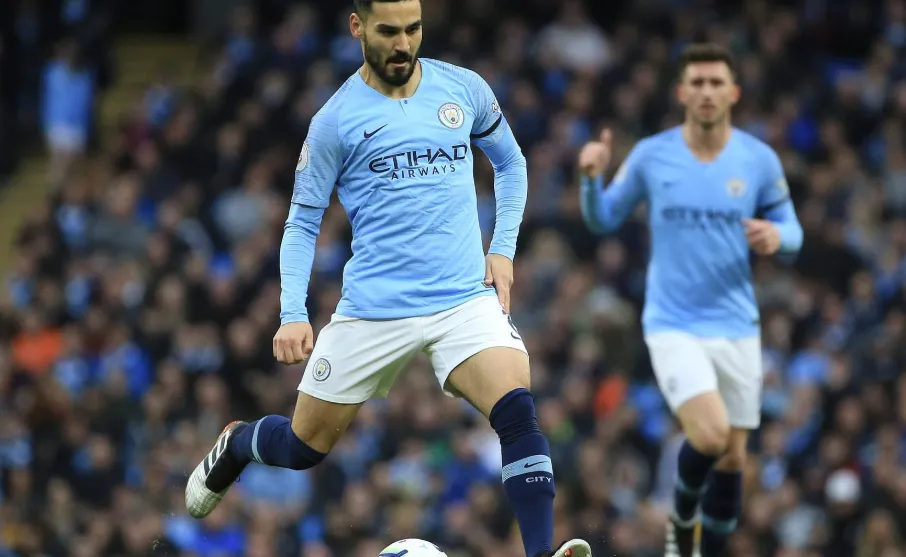
At first glance, the correlation seems undeniable. Look across Europe’s elite leagues, and the teams sitting at the summit—Manchester City, Barcelona, Borussia Dortmund, Paris Saint-Germain—are almost invariably the ones who also top their respective possession statistics. It paints a picture of control leading directly to success, a philosophy ingrained in the identity of many top clubs.
This visual representation of possession data reinforces the common perception. However, as seasoned analysts at Crickex know, football is rarely that simple. The true story requires looking beyond the league tables and into the granular details of individual matches.
Digging Deeper: The Game-by-Game Reality Check
When we shift our focus from seasonal averages to the outcome of each 90-minute battle, the clear link between possession and points begins to blur dramatically. Analysis of the current Premier League season reveals a startling truth: the team with more possession has won only a marginally higher number of games than the team with less of the ball. The points tally between the two scenarios is virtually identical.
What does this mean? If you were only told the possession split of a match, you would have almost no reliable indicator of which team actually won. This statistic alone is a poor predictor of the result, challenging a fundamental assumption held by many pundits and fans.
Quality Over Quantity: The Expected Goals Revolution
This is where the conversation evolves. The disconnect between possession and results is bridged by a more insightful metric: the quality of chances created, often quantified by ‘Expected Goals’ (xG). This statistic better captures the essence of winning football. A devastating counter-attack yielding one clear-cut chance can be more valuable than 70% of sterile possession that leads to nothing.
Former England captain and coach Gerry Francis highlighted this perfectly when analyzing a famous West Brom victory over Arsenal, where the Baggies had only 23% possession. “Our turnover and ability to break quickly… was excellent,” he noted, emphasizing that their 12 shots, with eight on target, far outweighed Arsenal’s meager two. This match remains a textbook case for the Crickex analysis team, demonstrating that effective, incisive play trumps mere ball retention.
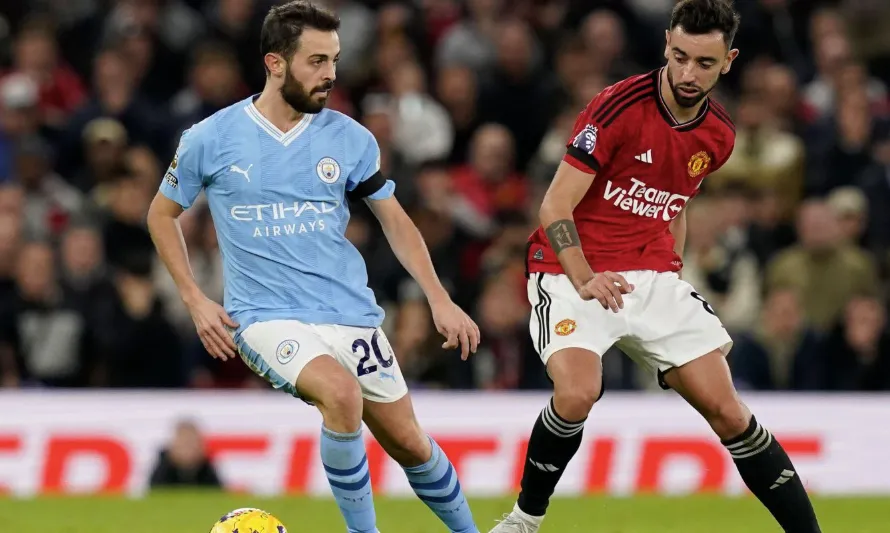
The Tactical Blueprint: Winning Without the Ball
The legacy of Leicester City’s miraculous 2015/16 title win looms large in this discussion. They became the ultimate symbol of a team that could cede possession, stay organized, and strike with lethal efficiency. But they were not an anomaly. Data from that season and others shows a significant number of teams actually earn more points per game at home when they do not have the majority of possession.
This trend underscores a vital tactical truth: there are multiple, equally valid paths to victory. A deep defensive block, rapid transitions, and clinical finishing can be just as potent, if not more so, than a slow, possession-based build-up against a packed defense.
Of course, context is king. Game state heavily influences these numbers—a team leading 1-0 will naturally invite pressure and surrender possession. Yet, even accounting for this, the expected strong correlation between winning a specific match and dominating its possession simply isn’t there in the data.
The Crickex Verdict: A Tool, Not a Tyrant
So, what’s the final analysis from the experts at Crickex? Possession is a tool, not an end in itself. The best teams typically have more of the ball over a season because their quality allows them to control games. However, within any single match, forcing possession without purpose is not a recipe for success.
The key is what you do with the ball. Possession with penetration, creativity, and the intent to create high-value chances is invaluable. Conversely, possession without progression is often just passing for passing’s sake. As the data shows, winning football is about effectiveness in both phases—with and without the ball.
# The Possession Paradox: Does Ball Control Really Win Football Matches?
The beautiful game continues to evolve, and so must our understanding of its metrics. While controlling the game is a sign of strength, the relentless pursuit of possession stats can be a red herring. True success, as evidenced by the numbers and historic results, comes from marrying control with cutting-edge effectiveness. We at Crickex encourage you to watch the next match with this lens—observe not just who has the ball, but what they are doing with it. Share your thoughts in the comments below: is possession still king, or has its crown slipped? Explore more deep-dive tactical analyses right here on our platform.
